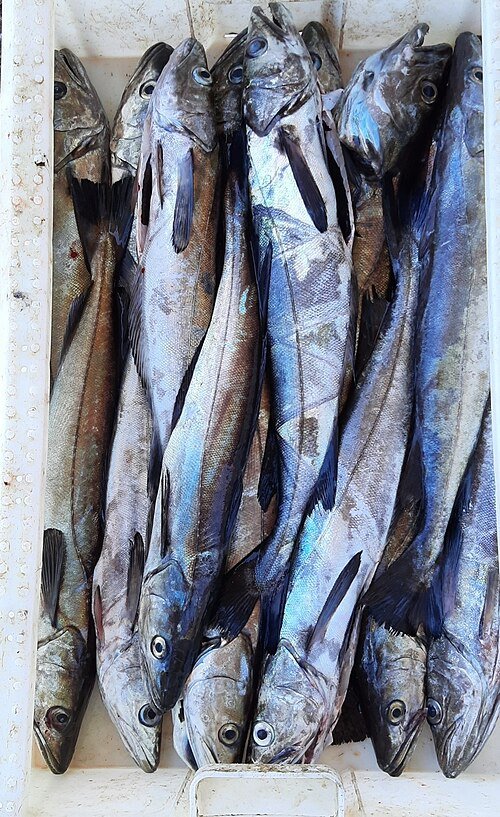
The development of the Atlantic fish trade marked a major shift in European diets during the Medieval and modern periods. Although this trade is well documented in historical and archaeological records, its impact on consumption patterns remains poorly understood, particularly in the western Mediterranean, where ichthyoarchaeological studies are limited. This study reconstructs the trade and consumption of two key Atlantic species (European hake and Atlantic cod) in the northeast Iberian Peninsula, drawing on archaeological, historical and biomolecular evidence. Our results show that preserved Atlantic fish was consumed across different social contexts, with consumption patterns largely determined by fish size rather than provenance or species. We argue that size preferences influenced dietary choices since the earliest stages of Atlantic trade in the region, providing a new perspective on the impact of long-distance trade in reshaping past Mediterranean foodways.