
Research projects
Contrasting Evolutionary Trajectories in Early Food Production Systems
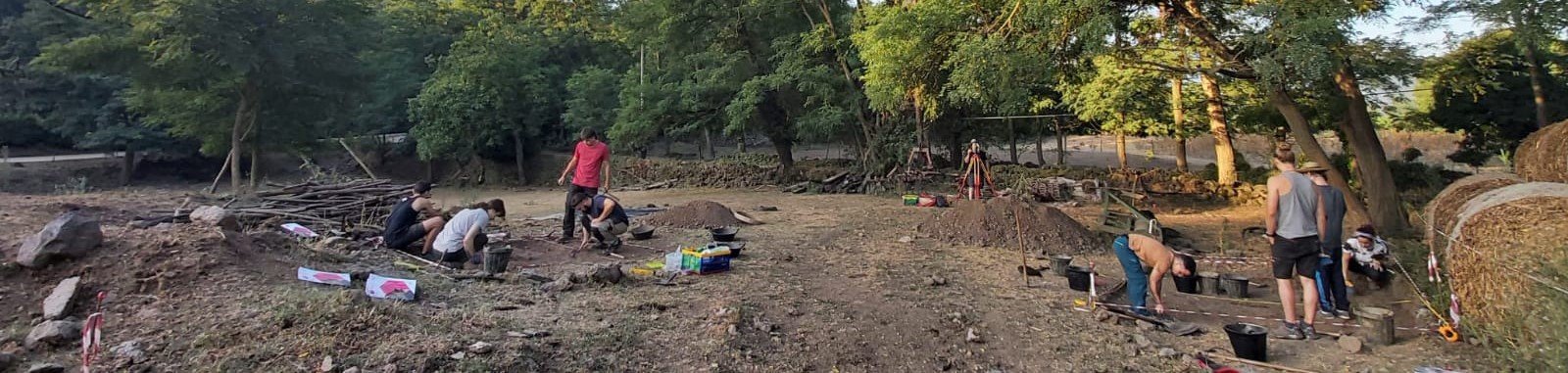
EarlyFoods will capitalise on ongoing research projects by members of our team in regions with evidence of contrasting evolutionary trajectories in early food production economies: Southern Europe and Anatolia, and in tropical and subtropical South America.
Our previous and current research projects are founded by several competitive grants including ERC-CoG (TRADITION and DEMODRIVERS), Marie Skłodowska-Curie ITN-EJD (ChemArch), Spanish I+D+i (AnimalFarm, Fractures, FirstAmazon), one ICREA Academia distinction (Saña), and multiple Marie Skłodowska-Curie and Beatriz de Pinós fellowships. Through these grants, the group is currently addressing the following Research Challenges (RC):
RC1
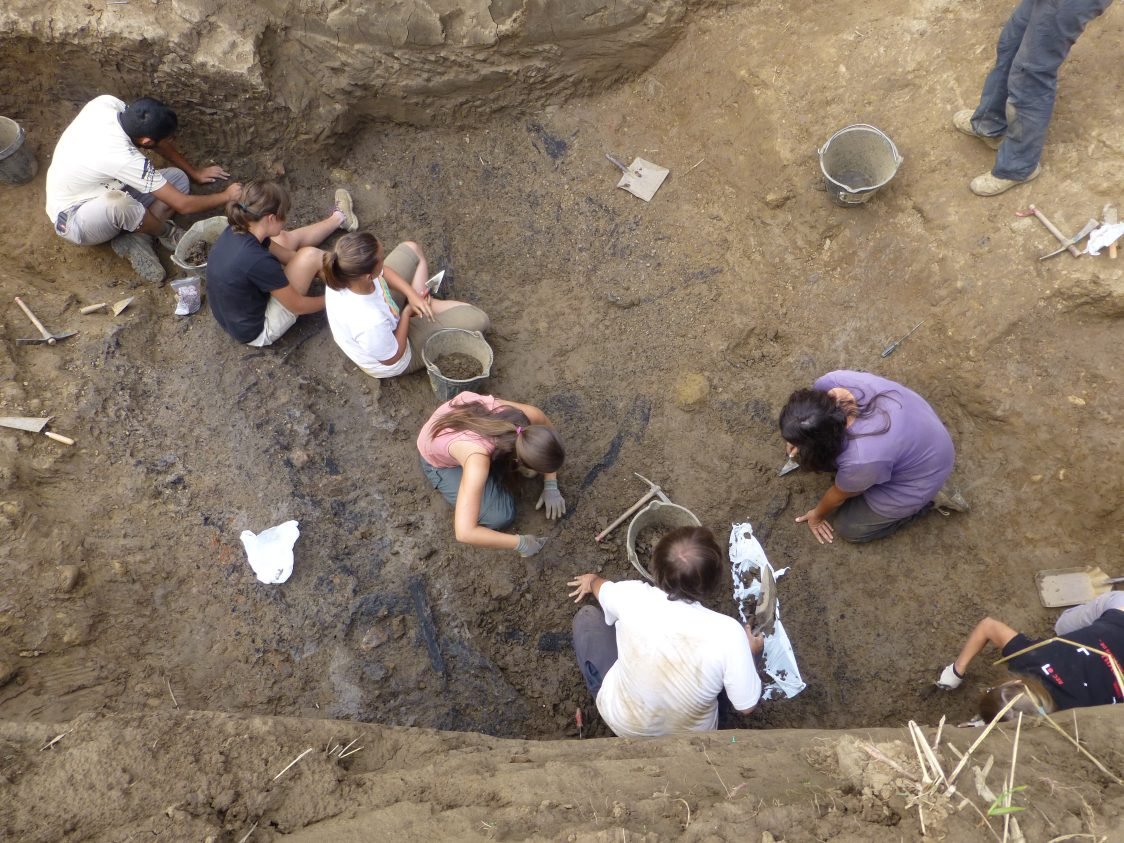
Uncovering Faunal Diversity and Tracing Domestication through Fragmented Bones (FRACTURES – I+d+i 2023)
FRACTURES aims to reassess economic models related to the foraging-farming transition and early livestock production in the NE Iberian Peninsula. Using ZooMS, FRACTURES will unlock hidden taxonomic diversity from thousands of unidentifiable bone remains at key Epipalaeolithic, Mesolithic and Neolithic contexts in the region. This initiative will substantially increase species identification and contribute to dietary analysis through bulk collagen stable carbon and nitrogen isotope studies on an unprecedented scale in the region. Collaborating with museum curators and heritage managers, FRACTURES will also enhance the heritage value of often overlooked archaeological remains, thereby addressing ethical considerations related to the study and preservation of faunal records. Macroregion: Iberian Peninsula; Leading scientists: Saña, Colonese.
RC2
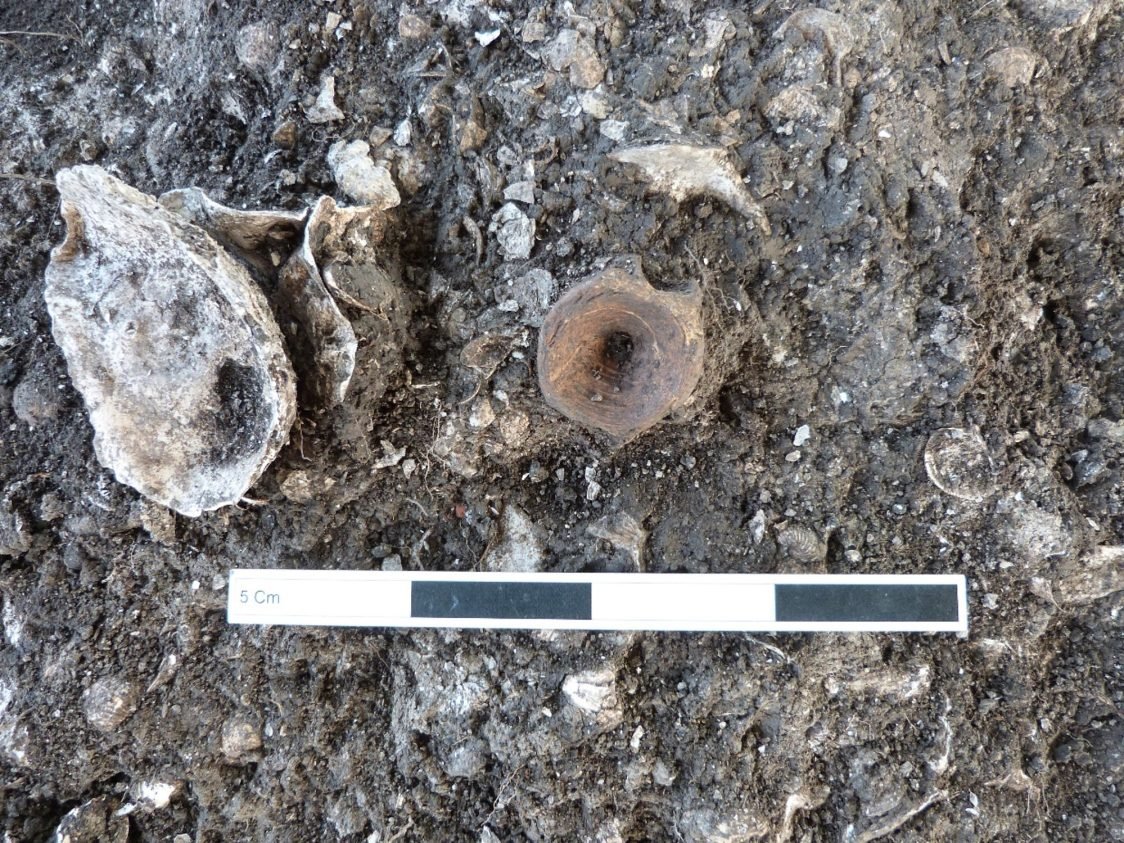
Two research projects are currently delving into the significance of coastal regions during the expansion of agriculture in Southern Europe. These projects involve a comparative analysis of coastal resource use across various historical periods, including the Middle Paleolithic, Upper Paleolithic, Mesolithic, and the Neolithic in the northern Mediterranean basin. We are testing the hypothesis that fishing and shellfish harvesting played a pivotal role in enhancing the adaptability and resilience of early farmers residing in coastal enclaves during the early Neolithic period. Macroregion: Iberian Peninsula, Italian Peninsula, Anatolia; Leading scientists: Saña, Escarzaga, Colonese
RC3
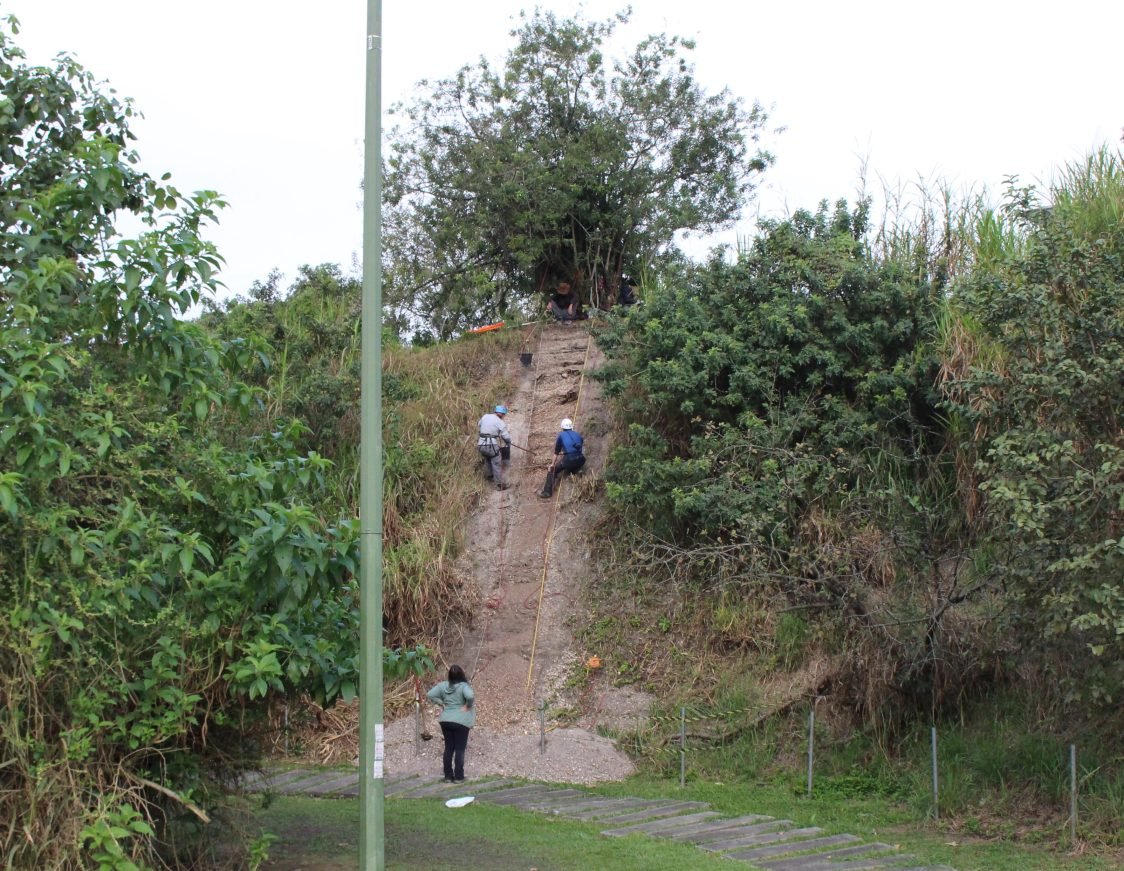
Three research projects are currently investigating the cultural, environmental, and chronological drivers behind the development of agriculture in the Andes, Pampa, Amazon, and Atlantic Forest biomes before European contact. These projects aim to gain a comprehensive understanding of how fishing and plant cultivation contributed to the emergence of urbanization and complex societies within these regions. They will provide fresh insights into the timing, methodologies, and the specific plant species cultivated during this period, while also assessing their influence on forest composition, biodiversity, and the demographic landscape in the pre-European era. Macroregion: Atlantic Forest, Pampa grassland, Amazon basin, Andes; Leading scientists: Colonese, Lombardo, Escarzaga, Pezo-Lanfranco